The Complete Guide to Surviving Your First Military Ball Without Embarrassing Anyone
The invitation arrived. Your spouse has been talking about this for weeks. There’s a dress code, a receiving line, and something called “grog” that you’re pretty sure isn’t the beverage you’re imagining.
Welcome to your first military ball. Here’s everything nobody told you.
The Dress Code Decoded
When the invitation says “formal,” it means formal. This isn’t a suggestion. Your service member will be in dress uniform, which means they’ve been ironing for three days and you should match that energy.
For civilian spouses, this typically means floor-length gown or formal suit. Not cocktail dress. Not business casual. The kind of outfit that requires shapewear and causes you to question your life choices by hour two.
Shoes matter more than you think. You will be standing. You will be walking on potentially uneven ballroom floors. Those five-inch heels looked amazing at the store, but by the time the POW/MIA table ceremony happens, you’ll be barefoot under the table praying nobody notices.
Bring a wrap or jacket. Ballrooms are kept at approximately meat locker temperatures. Military precision extends to HVAC settings apparently.
The Receiving Line Reality
This is where you shake hands with every commanding officer and their spouse in a specific order that your service member has been memorizing for a week. Your job is simple: smile, shake hands, give your name, don’t hold up the line.
What not to do: Try to start a conversation. Mention anything controversial. Ask the commander about that policy change everyone’s been complaining about. Comment on anything except perhaps the weather or how lovely the decorations are.
The receiving line is a ritual, not a meet-and-greet. Move through it like a respectful ghost who makes brief eye contact and evaporates.

The Dinner Situation
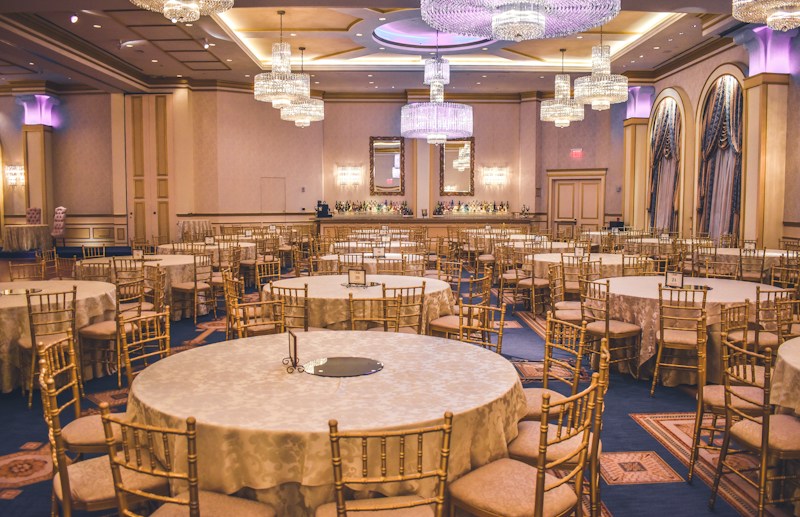
There will be a seating chart. You will be placed at a table with people you may or may not know, based on rank and unit considerations you don’t fully understand. This is your dinner party now.
The meal will be some variation of chicken or beef. Dietary restrictions are theoretically accommodated but practically a gamble. The vegetarian option has a 50/50 chance of actually being vegetarian.
Do not start eating until the head table starts. Do not leave the table during speeches. Do not drink anything from the grog bowl unless you understand the consequences and have secured transportation home.
The Grog Bowl Warning
The grog is a unit-specific concoction of various alcohols and mixers that exists for ceremonial purposes. Its recipe is often “classified” for good reason. Some are relatively mild. Some could strip paint.
Being sent to the grog bowl is a “punishment” for minor etiquette violations, often manufactured for entertainment purposes. First-timers are frequent targets. When in doubt, take a small sip, make a face that amuses the crowd, and return to your seat.
If you’re pregnant, driving, or simply value your morning, you can absolutely decline or request an alternative. Nobody reasonable will push back.
The Ceremonial Elements
There will be ceremonies you’ve never seen before: the POW/MIA remembrance table, toasts to various entities, possibly a cake cutting if it’s an anniversary. Stand when others stand. Remain silent during solemn moments. Clap when others clap.
These rituals matter deeply to the people who’ve served. Even if you don’t fully understand the significance, respect is always appropriate.
The Dancing Dilemma
After dinner, there’s usually a dance floor. Your service member may be required to participate in certain group activities. You may be pulled onto the floor for a slow dance.
Nobody expects perfection. Swaying in place counts. The goal is participation, not performance.

The Exit Strategy
There’s typically an acceptable departure time, usually after the commander leaves. Leaving too early looks bad. Leaving too late means you’ve witnessed things you can’t unsee.
Thank anyone relevant on your way out. Find your coat check ticket before you need it. Secure transportation before the event because parking lots after balls are chaos.
The Bottom Line
Military balls can be genuinely fun once you understand the rules. The pomp and circumstance might feel strange at first, but there’s something special about watching your service member in their dress uniform, participating in traditions that connect them to generations before.
And if nothing else, it’s the one night a year you have a valid excuse to wear that formal outfit collecting dust in your closet.
You’ve survived PCS moves and deployments. You can absolutely survive a fancy dinner with ceremonies. You’ve got this.


Leave a Reply