Why Military Guys Actually Debate This
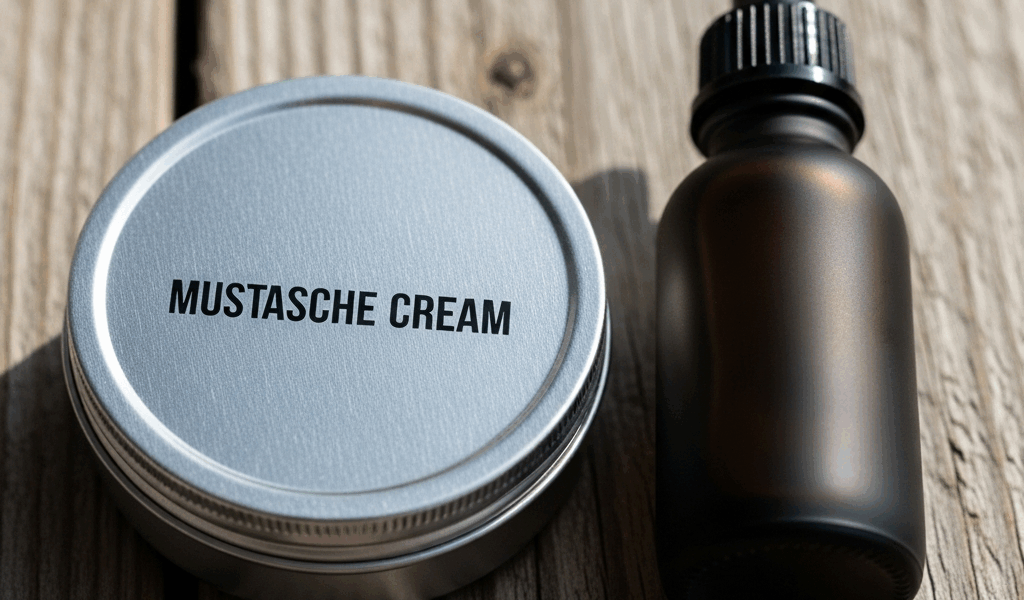
Military mustache stache cream vs beard oil—which works? I’ve spent the better part of five years around guys who treat this question like it matters, because frankly, it does. Not because one product is objectively “better,” but because military grooming standards are unforgiving. A mustache that looks regulation-compliant during inspection might droop by noon, or worse, get called out by your squad leader before lunch.
Both products promise portability. Both fit in your assault pack or go bag. Both claim to deliver hold, shine, and that squared-away look command expects. But here’s where things get real: you’re not grooming for Instagram. You’re grooming for compliance. You need something that survives PT, stays put during a 12-hour shift, and doesn’t leave you reapplying in a porta-potty at Forward Operating Base Middle-of-Nowhere.
As someone who’s watched this play out across multiple duty stations—and yes, I made the mistake of trying both simultaneously for a month like some kind of facial hair scientist—I can tell you the choice depends entirely on your environment and what “works” actually means in your context. Probably should have opened with this section, honestly: there’s no universal answer. There’s only the right answer for your situation.
Stache Cream Core Strengths
Stache cream excels at one specific job: creating structured hold with military-grade aesthetics. Products like Beard Guyz Military Stache Cream or similar formulations deliver hold duration between 4 and 8 hours depending on ambient moisture and application technique. That’s inspection-ready durability.
The hold itself works mechanically — wax contains beeswax, carnauba wax, or synthetic polymers that stiffen the hair shaft and lock the curl into place. Apply a pea-sized amount to clean, dry whiskers, work it in with a fine-tooth mustache comb, and you’ll see definition within seconds. The edges turn crisp. The center lifts. It looks intentional. It looks regulated.
Water resistance matters more than most grooming articles admit. A quality stache cream resists light moisture—sweat, brief rain, humidity spikes—for 4 to 6 hours. Your 1400 inspection? Cream is the right play. Early-morning formal photograph? Cream again. You’re not worried about reapplication mid-day because the event structure is predictable and you know exactly what you’re walking into.
Application speed favors cream significantly. Thirty seconds total. You scoop a tiny amount from the tin, warm it between your fingers, work it through, comb it out, and you’re done. No mess. No oily residue on your hands that requires washing afterward. The tin stays in your locker, travel-ready. Most military-grade creams retail between $12 and $18 per tin and last approximately 6 to 8 weeks with daily use.
Regulation compliance is where cream truly shines. Many military branches maintain grooming standards that specifically address “neat and trimmed” facial hair without excessive shine or product visible residue. Cream, when applied properly, creates defined structure without the glossy appearance that oil produces. It reads as “well-maintained” rather than “wearing product.” That distinction matters during inspection — and trust me, inspectors notice.
Beard Oil Core Strengths
Beard oil operates on a completely different philosophy. Instead of stiffening and structuring, it conditions, nourishes, and maintains. Jojoba oil, argan oil, or carrier oil blends penetrate the hair shaft and soften the whiskers over time, reducing itching and flaking. For a guy deployed 8 months with limited grooming options, this matters considerably.
Hold duration? That’s not really the play with beard oil. You’re looking at 2 to 4 hours of gentle curl retention, depending on whisker thickness and length. The oil doesn’t stiffen; it shapes through weight and conditioning. A thicker mustache responds better to oil than a fine one does. Applied correctly, it creates a polished appearance without aggressive structure. The visual effect is “healthy and maintained” rather than “precision parade-ground sharp.”
All-day wearability becomes the actual strength here. Because oil doesn’t harden or flake, it doesn’t require reapplication mid-shift. You apply it once in the morning, and it works continuously throughout the day. In field environments—where you’re moving between climates, sweating, getting rained on, then sweating again—oil adapts better than cream does. It doesn’t dry out. It doesn’t crack. It doesn’t suddenly fail at hour 5 and leave you with a drooping mustache and no product access.
Conditioning benefits are real and measurable. Beard oil reduces itch significantly. A guy with dry skin or sensitivity—not uncommon in desert deployments—will notice improvement within days. The whiskers feel softer, look shinier, and respond better to combing. You’re not just managing appearance; you’re managing scalp and facial hair health over extended deployments when medical resources are limited.
One honest limitation: beard oil requires a learning curve. Too much creates a greasy appearance with visible product residue that reads as unprofessional. Too little delivers no benefit at all. The sweet spot is roughly half a dropper applied evenly through the mustache and the underlying skin. That takes practice. Additionally, oil residue transfers to your face, your hands, and potentially your uniform collar. Not ideal for formation or close-quarters work.
Climate and Deployment Makes the Difference
Confronted by 115-degree heat in Southwest Asia, a guy using stache cream faces a serious problem: the cream melts. Not gradually. By 0900 hours on a hot ramp, you’ve got a greasy, drooping mustache and no product tin in the vehicle. The structural wax breaks down entirely. Your regulation edges soften. Your entire appearance slides toward “unkempt” before you even reach the chow hall.
Beard oil handles heat differently. Because it’s already liquid, temperature doesn’t change its state — it just increases absorption slightly. A hot climate deployment actually favors oil. It distributes evenly, conditions continuously, and doesn’t fail at high temperatures. Your mustache stays maintained for 10+ hours despite the heat.
Humidity and rain scenarios flip the advantage though. In coastal environments or during monsoon-adjacent wet seasons, cream’s water resistance protects structural integrity. You can work in rain, sweat through PT, and the cream’s wax content continues holding definition effectively. Oil absorbs moisture. Rain directly compromises hold. Your mustache loses shape faster than expected. A guy on a ship or in Southeast Asia humidity will prefer cream for the durability it provides.
Cold deployments present another variable entirely. In freezing temperatures, beard oil becomes sluggish and slow-moving. It doesn’t penetrate as quickly or distribute as evenly as intended. Cream actually benefits from cold — it hardens slightly, improving hold definition and longevity. If you’re stationed in Germany, Korea, or Northern Europe, cream is more reliable across the board. Temperature consistency matters more than people acknowledge.
Extended field operations without resupply demand oil though. You might not get back to your locker for 72 hours straight. Cream runs out fast under field conditions and requires regular reapplication. Oil lasts longer per application and doesn’t require the same environmental conditions to function properly. In austere environments—forward operating bases, field training exercises, deployment scenarios—oil’s sustainability wins every time.
Final Call: Which One to Choose
If you’re primarily in garrison or permanent duty stations with regular access to your locker, use stache cream. Your schedule is predictable. Inspections are scheduled weeks in advance. You know when you need maximum hold, and cream delivers that consistently every single time. The 4 to 8 hour hold window aligns with your duty day structure. Cost is minimal. Compliance is straightforward. This is the choice for someone prioritizing appearance and regulation adherence.
If you’re deploying, stationed in austere locations, or spending significant time in field environments, switch to beard oil. The durability, conditioning benefits, and temperature stability outweigh the trade-off in structural hold. You’re optimizing for sustainability and all-day maintenance rather than precision appearance at scheduled times. Your extended deployment timeline demands a product that works 10+ hours without reapplication or constant adjustment.
Some guys—honestly, probably the smart ones—carry both. Cream in your kit bag for formal settings and scheduled inspections. Oil in your assault pack for field operations and extended deployments. The cost difference is negligible. The versatility covers more scenarios than picking one and hoping it works everywhere.
The real answer to military mustache stache cream vs beard oil, which works? Both work. They just work for different jobs in different contexts. Cream prioritizes precision and compliance. Oil prioritizes durability and conditioning. Know what your environment demands, choose accordingly, and stop overthinking it.


Leave a Reply